
In today’s competitive market, packaging is no longer just a protective shell—it is a brand touchpoint, a logistics tool, and a cost-control decision all in one. A well-designed custom corrugated box can reduce shipping damage, improve warehouse efficiency, and strengthen brand recognition at the same time.
This guide explains how to design a corrugated box that works for both shipping performance and branding impact, based on real manufacturing and B2B sourcing experience.
What Is a Custom Corrugated Box?
A custom corrugated box is a shipping or packaging box made from corrugated fiberboard and tailored to specific product, logistics, and branding requirements. Customization may include:
Box dimensions and structure
Corrugated flute type and board strength
Printing method and graphic design
Inserts, dividers, or protective layers
Unlike standard cartons, custom corrugated boxes are engineered to balance protection, cost, and presentation.
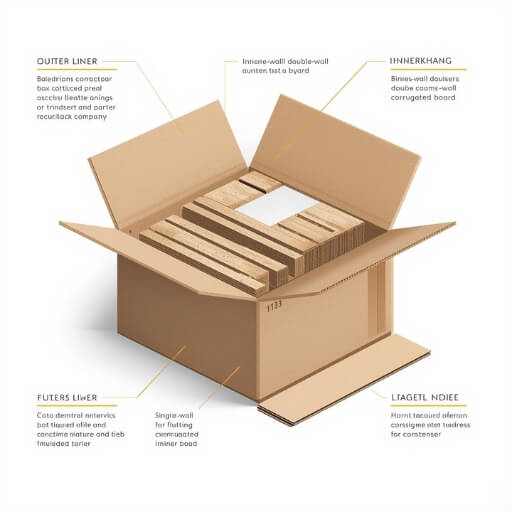
Step 1: Understand Your Shipping Requirements First
Before focusing on branding, start with shipping realities. Poor structural design leads to crushed boxes, returns, and higher freight costs.
Key questions to define early:
Product weight and fragility
Shipping distance (domestic vs international)
Stacking and palletization method
Environmental exposure (humidity, temperature, compression)
For example, heavy or fragile items often require double-wall or triple-wall corrugated board, while lightweight e-commerce products may perform well with single-wall construction.
Authoritative shipping standards from organizations like ISTA (International Safe Transit Association) help guide box performance testing and validation.
Step 2: Choose the Right Corrugated Material and Flute Type
Corrugated board structure directly affects strength and cost.
Common flute types include:
A flute – excellent cushioning, thicker profile
B flute – good strength, ideal for retail printing
C flute – balanced cushioning and stacking strength
E flute – thinner, premium appearance for branded shipping
For branding-focused shipping boxes, B flute or E flute is often preferred due to smoother surfaces for printing.
Material selection should also consider sustainable packaging goals, such as recyclable kraft liners or FSC-certified paper.
Step 3: Optimize Box Size to Reduce Shipping Costs
Oversized boxes are one of the most common—and expensive—packaging mistakes.
A properly sized custom corrugated box:
Reduces void fill and material waste
Lowers dimensional weight charges
Improves pallet density and storage efficiency
Professional gift box factories and custom packaging manufacturers usually recommend creating several size SKUs instead of one universal box to optimize logistics.
Step 4: Design for Protection with Inserts and Structure
Protection is not only about board strength. Smart internal design matters just as much.
Popular protective solutions include:
Corrugated inserts and partitions
Die-cut supports for electronics or glass items
Fold-in buffers that eliminate plastic fillers
Well-designed inserts enhance both unboxing experience and damage prevention, especially for branded shipments.
Step 5: Integrate Branding Without Sacrificing Performance
Branding should support—not weaken—the box.
Key branding elements include:
Logo placement on top or side panels
Brand colors adapted for kraft or white board
Simple messaging that remains legible during transit
Printing methods such as flexographic printing are cost-effective for large volumes, while digital printing suits low MOQ custom corrugated boxes.
Avoid excessive ink coverage on stress points, as it may affect board strength.
Step 6: Balance Sustainability and Brand Image
Modern buyers expect packaging to be responsible.
Sustainable corrugated box design may include:
Recyclable mono-material construction
Soy-based or water-based inks
Reduced packaging layers
According to EPA packaging waste guidelines, corrugated packaging remains one of the most recycled materials globally, making it ideal for eco-conscious branding.
Step 7: Work with the Right Custom Corrugated Box Manufacturer
Even the best design fails without proper execution.
When selecting a custom corrugated box manufacturer, look for:
In-house structural design support
Sample testing and compression reports
Consistent quality control
Experience with branded shipping boxes
A reliable manufacturer will help refine your design based on real shipping data, not just visual appeal.
Common Mistakes to Avoid
Designing boxes based only on appearance
Ignoring dimensional weight pricing
Overusing coatings that reduce recyclability
Choosing low-grade board to cut short-term costs
Long-term packaging performance always outweighs short-term savings.
FAQ: Custom Corrugated Box Design
Q1: What is the best corrugated box for shipping heavy products?
Double-wall or triple-wall corrugated boxes provide higher stacking strength and impact resistance.
Q2: Can corrugated boxes still look premium?
Yes. With clean printing, structured design, and minimal branding, corrugated boxes can look both professional and high-end.
Q3: Are custom corrugated boxes eco-friendly?
Most corrugated boxes are recyclable and can be produced using FSC-certified materials.
Q4: How long does custom corrugated box production take?
Typical lead time ranges from 10–20 days, depending on design complexity and order volume.
Final Thoughts
Designing a custom corrugated box is a strategic decision that impacts logistics efficiency, customer perception, and brand credibility. By combining structural engineering with thoughtful branding, businesses can create packaging that performs in transit and stands out on arrival.
 Cosmetic Boxes
 Chocolate Gift Boxes
 Corrugated Mailer Boxes
 Folding Gift Box